
NGO Compliance, Transparency & Accountability | Kamagara Editah
Why NGO Compliance Matters: Strengthening Transparency, Accountability, and Public Trust
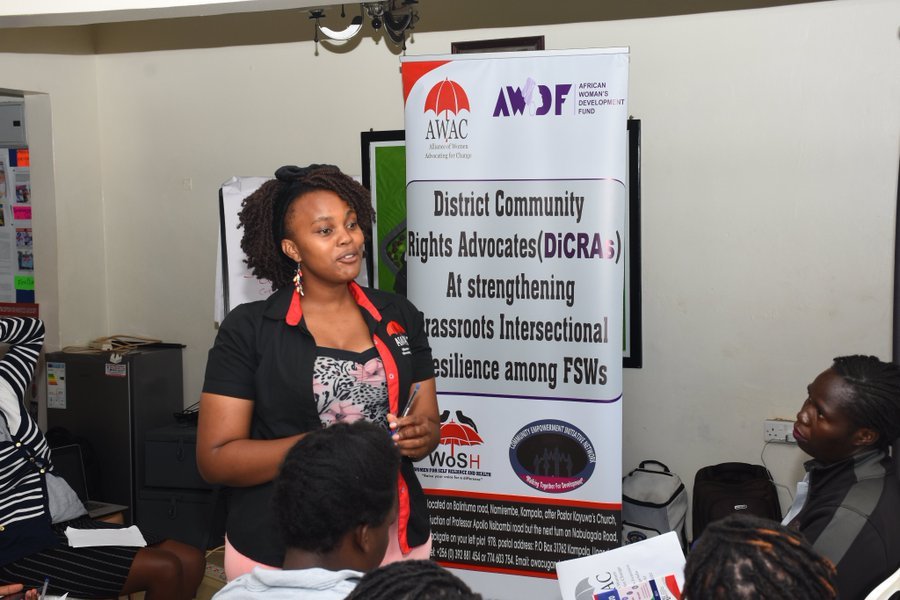
Strong civil society organizations are built not only on passion and commitment, but also on compliance, accountability, and ethical practice. During a recent community engagement, I spoke about the significance of NGO compliance and why it remains central to sustainable and credible social impact.
Compliance is often misunderstood as a purely administrative obligation. In reality, it is a governance tool that protects organizations, communities, and the causes they serve.
Compliance as a pillar of transparency and accountability
I emphasized that adherence to regulatory and governance standards promotes transparency in operations, responsible financial management, and clear decision-making structures.
When organizations comply with established legal and ethical frameworks, they demonstrate:
Responsible use of resources
Clear accountability mechanisms
Respect for the law and institutional processes
These elements are critical not only for internal integrity, but also for maintaining public confidence.
Building trust with authorities and stakeholders
One of the most important outcomes of compliance is trust—particularly between NGOs, regulators, donors, and communities.
As I shared during the engagement, compliance helps organizations build constructive relationships with authorities by demonstrating that their work is lawful, ethical, and aligned with national frameworks. This trust enables smoother collaboration, reduces unnecessary conflict, and creates space for meaningful advocacy.
Ethical practice and long-term impact
Beyond legality, compliance reinforces ethical organizational culture. It encourages transparency in leadership, protects beneficiaries from harm, and strengthens institutional resilience.
Organizations that prioritize compliance are better positioned to:
- Sustain long-term programming
- Attract credible partnerships and funding
- Protect staff and communities from legal and reputational risk
Ultimately, ethical practice strengthens the social legitimacy of civil society work.
A shared responsibility
NGO compliance should not be viewed as a burden, but as a shared responsibility and a strategic investment in credibility and impact.
By prioritizing transparency, accountability, and ethical standards, organizations can create stronger foundations for advocacy, service delivery, and social transformation.
Closing reflection
Compliance is not about limiting activism—it is about protecting it. When organizations operate transparently and ethically, they are better equipped to make a positive and lasting impact on society.